We capture the real world into accurate, production-ready digital twins.
Apple Vision Pro
The digital twins inside Apple Vision Pro
FICTOR records environments, props and assets from fourteen complementary sources, then rebuilds them as measured 3D environments, infrastructure and asset libraries on an Unreal Engine and OpenUSD pipeline.
Members of FICTOR's team were part of the photoreal Environments built into visionOS, the Apple Vision Pro operating system: real places, captured on location and rebuilt as digital twins that surround the viewer. The work included Bora Bora and the six environments above.
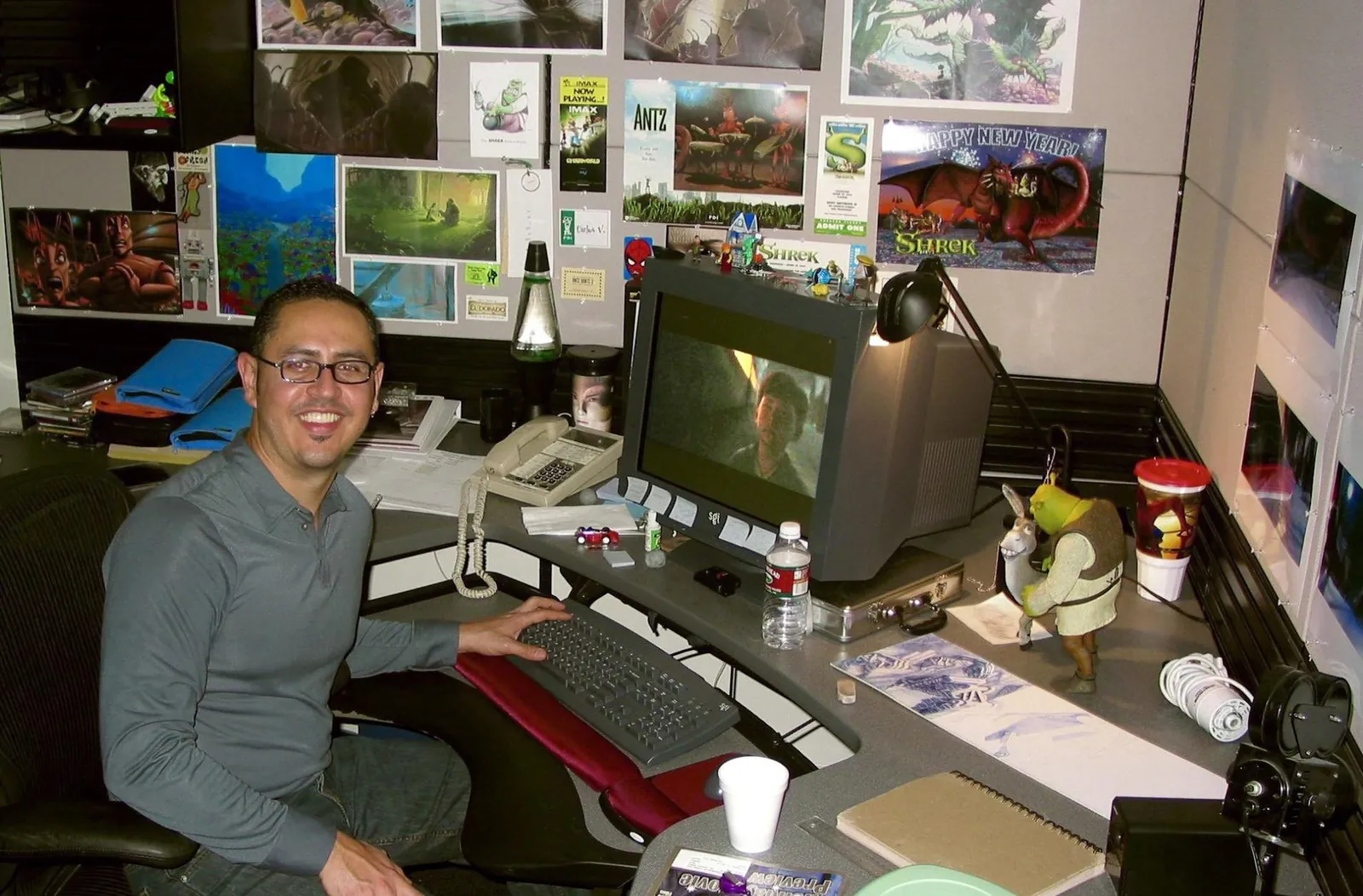
Built by veterans of Sony Pictures Imageworks, Industrial Light & Magic, Framestore, Method Studios and Pacific Data Images (PDI)/DreamWorks. Meet the team →
Illustrative images of each location, shown with and without a digital-twin wireframe; they are not Apple's environments. Apple, Apple Vision Pro and visionOS are trademarks of Apple Inc.
Five ways in
Pick where you need us
Engage across the whole pipeline, or at a single point. The craft is the same at any size.
Digital Twins
Measured replicas of buildings, sites and whole cities, accurate enough to plan against and updated each time the place is captured again.
Buildings to cities →Data Capture
Fourteen sources, all equipment owned and operated by FICTOR, recorded in eighteen countries. Buy any of them on its own.
Fourteen sources →VFX Work
Visual effects (VFX) integration, tracking, modeling, texturing, look development and real-time build — the work that consumes most of a project's time.
Ten disciplines →Virtual Scouting
The location studied, measured and mapped in 3D before anyone books a flight. You get schedule and budget before we start.
Before the shoot →On-Set Supervision
A named supervisor on the call sheet, so plates, data and reference arrive VFX-ready instead of being reverse-engineered in post.
On the day →See it built
A street corner, from point cloud to final model
Ten passes over one captured location in Venice, California, and five look-development passes over a single asset. The same measured build, shown at every stage.
See it mapped
Whole cities, planned block by block
Colombia's major cities and sixteen sections of US metro areas, each a navigable 3D map of every block, building, street and river, built before a single capture flight.
Or start here
Tell us what the project needs
Tick the services your job actually requires, one source or the whole pipeline, and send it. We come back with a scope, not a brochure.
Before the shoot
Virtual scouting
The location, solved before anyone travels. We study the site and build a 3D map of the shoot. That map tells you what the job actually needs, and it exists before a single day is booked.
A 3D site map you can move through, with sun path, sightlines, distances and access drawn on it.
Crew size, equipment list and shooting days — decided against the real terrain rather than estimated from a satellite screenshot.
Schedule and budget before we start. Not a range that firms up later; the numbers the job is booked on.
A capture crew that arrives sized wrong, or misses a surface it cannot get back to, means a second trip. The site map is what makes the second trip unnecessary.
Same deliverable, four reasons to want it
Who it is for
Visual effects
Sightlines and sun path resolved before the shoot day. The supervisor arrives knowing which setups are capturable and which are not.
Digital twins
Scope and access confirmed against real terrain before a capture budget is committed to a site nobody has walked.
Architecture
The site in context, at true scale, while design decisions are still cheap to reverse.
Infrastructure
Access routes, clearances and coverage planned against terrain and elevation data, not against a flat map.
Scouting can be engaged on its own. If you only want to know what the job would take, this is a complete piece of work, not a partial one.
On the day
On-set supervision
A supervisor on the floor, on the call sheet. Whatever is not recorded on the day cannot be recovered later.
Our supervisor plans and oversees how every shot is captured, so plates, data and reference arrive VFX-ready. Camera and lens data, measurements, clean plates and reference are logged through the shoot, and problems are resolved on the floor rather than in post.
A named supervisor, for the shoot.
Director and director of photography (DP), on the day.
Camera, lens, measurements, clean plates.
A capture plan and an on-set log post can work from.
Recorded through the shoot
The on-set log
Acquired on the day
What usually gets captured while we are there
These are capture sources, not a separate service. They belong to Data Capture and are listed here because a shoot day is when most of them are acquired.
Select a source to read what it is.
Data capture
Fourteen sources. One dataset. Buy any of them on its own.
Environments, props and assets recorded from complementary sources at once, producing datasets precise enough to build from and scoped to what the project actually needs. All of the equipment is owned and operated by FICTOR, so a job is scoped by what it needs rather than by what was available to rent. Recorded in eighteen countries.
Select a source to read what it is.
What you receive
A fully integrated, production-ready dataset combining all captured data into one precise source of truth
Scans with textures combined, overlaps resolved, unwanted geometry removed. Cleaned, decimated and denoised.
Scale and orientation held to survey. Survey data lined up with the LiDAR, so the model measures as well as it renders.
Tiles and panoramics registered to the geometry. Undistorted photography lined up with the 3D cameras.
High dynamic range images (HDRIs) processed for lighting, splats built from the aligned capture, color-accurate calibration across all footage.
Terrain reference — digital elevation data — is ingested from virtual scouting and retopologized under the build. It is a scouting input, not one of the fourteen captured sources.
Ten disciplines
VFX work
Raw capture is only the beginning. A registered dataset is one source of truth every downstream department works from, and an analytical model as much as a visual one. Everything below runs on it.
Work
Captured builds
Two builds, shown pass by pass. Nothing here is a render of an idea — every frame is the same measured capture at a different stage.
Location build · Windward Avenue, Venice, California
A Venice Beach street corner, captured and rebuilt
Ten passes, three camera angles. Step through them.
Column detail · Windward Avenue
One column, all the stages of the data
The same capture carried from raw scan to finished model, in one take.
Window detail · Windward Avenue
The same five stages, on a window bay
Ornament, glazing and frame, measured and rebuilt.
Exterior · Windward Avenue
The whole frontage, same five stages
Arcade, storefronts and street furniture, captured and rebuilt as one block.
Asset build · look development
Game asset Datsun 240Z
One asset, one camera, five passes of the look-development stack.
Schematic digital twins
City captures planned block by block
Interactive 2D and 3D data capture plans of eighteen of Colombia's major cities and sixteen sections of US metro areas, built from official and open data before a single capture flight. In Colombia: Bogotá, Medellín and the Aburrá Valley, Cali, Barranquilla, Cartagena, Cúcuta, Bucaramanga, Pereira (with Dosquebradas, Santa Rosa de Cabal and La Virginia), Manizales, Armenia, Ibagué, Valledupar, Santa Marta, Montería, Pasto, Villavicencio, Buenaventura and Neiva. In the United States: San Francisco with the Golden Gate and Bay bridges and Alcatraz, the Peninsula and Silicon Valley; Downtown Los Angeles, the Port of Long Beach, West Los Angeles and Malibu; Miami with Miami Beach; Manhattan; Washington DC; Chicago; Houston; Boston; Atlanta; Dallas; and Seattle. Every block, estimated building height, street, service, river and slope sits in one map, and that map is the plan the measured twin is captured against. As each area is captured, its schematic sections are systematically replaced with high-resolution, photorealistic measured data. FICTOR's goal is to digitize Colombia and, from there, Latin America.
Who we are
Hollywood visual effects experience, applied to the real world.
FICTOR is a premium digital-twin and visualization studio, founded in Los Angeles, California, with its Colombian company in Pereira, and built by veterans of the world's leading visual effects houses. We capture the physical world and rebuild it as production-accurate 3D environments, infrastructure and asset libraries through an Unreal Engine and OpenUSD-native pipeline.
FICTOR leadership team
Feature experience · 1998 to 2021
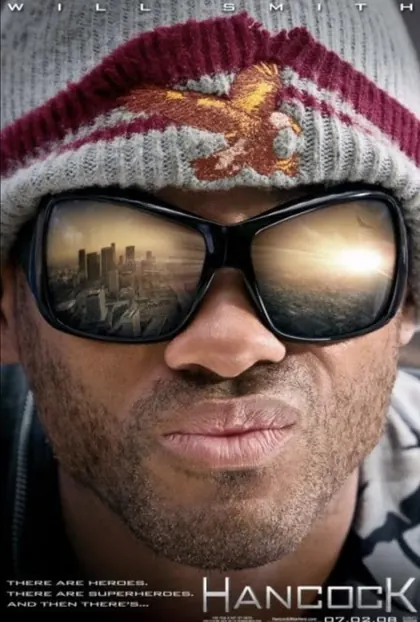
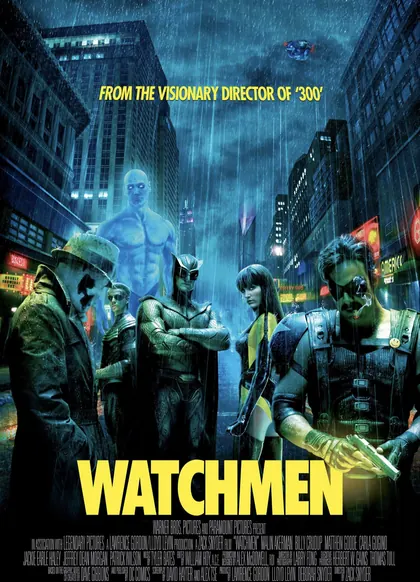
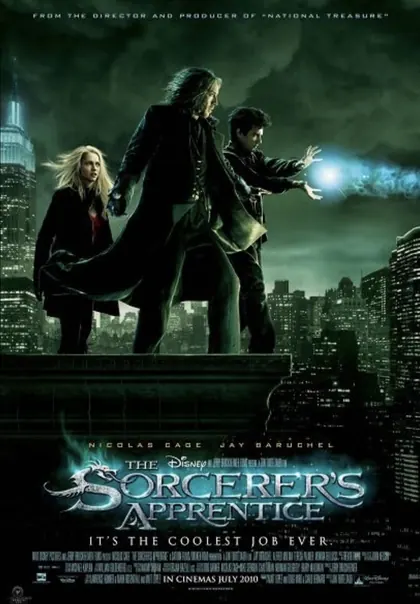
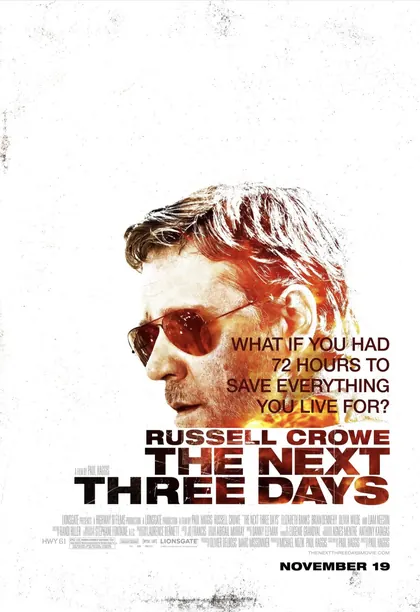
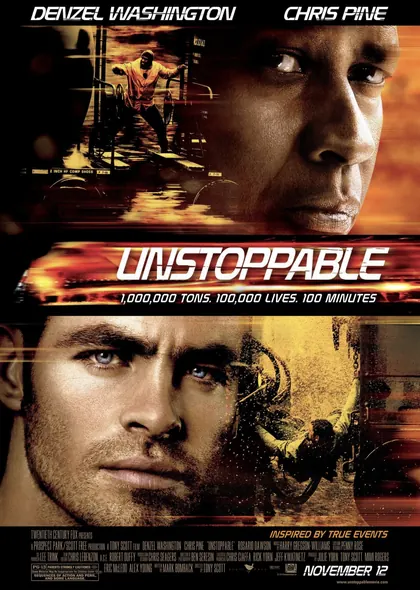
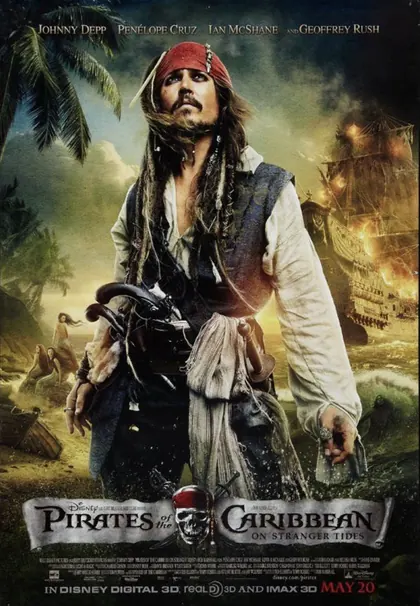
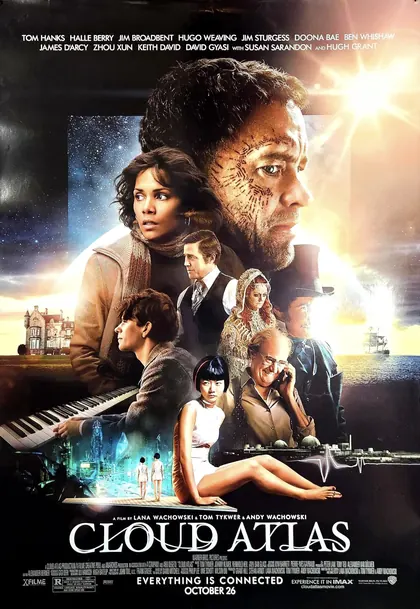
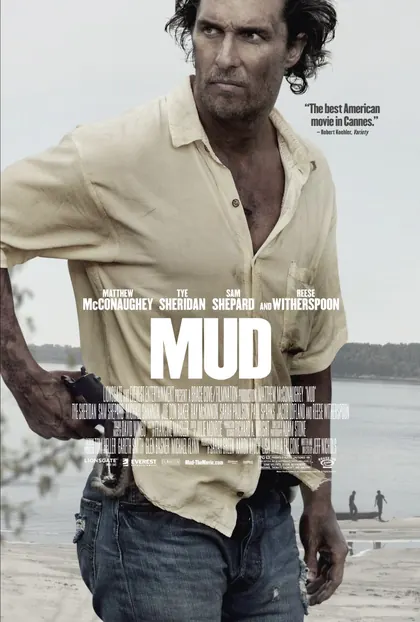
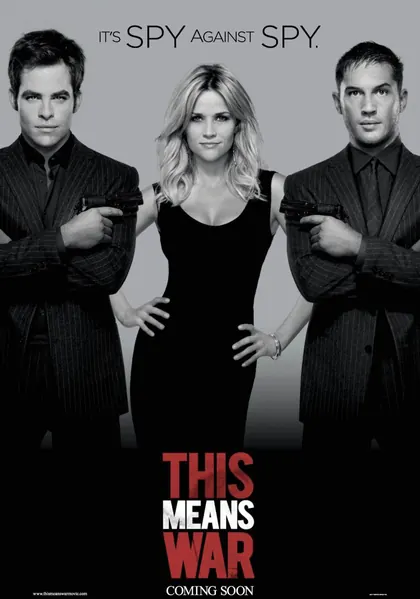
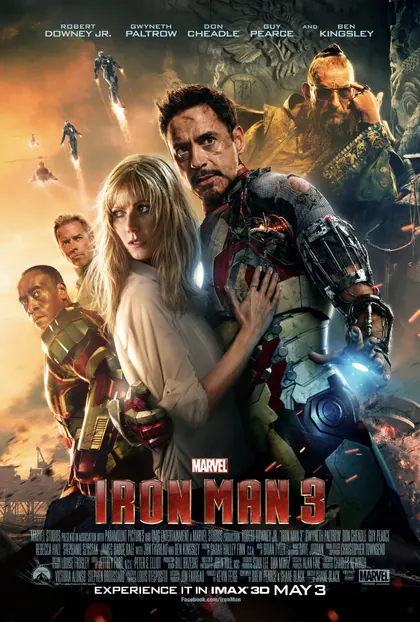
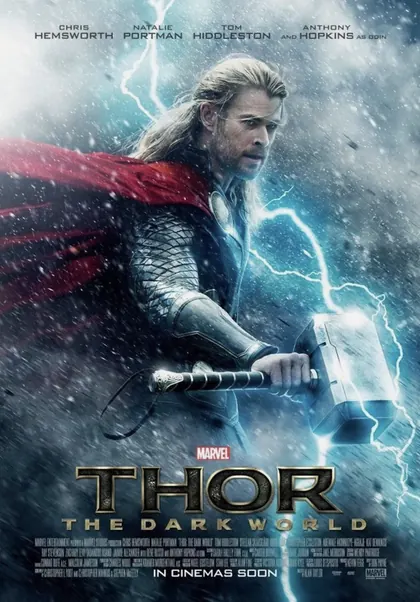
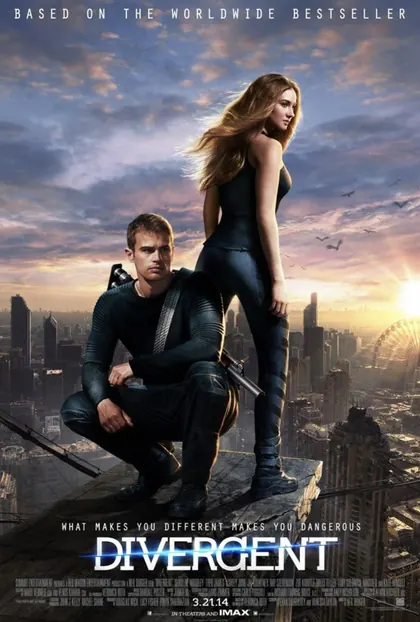
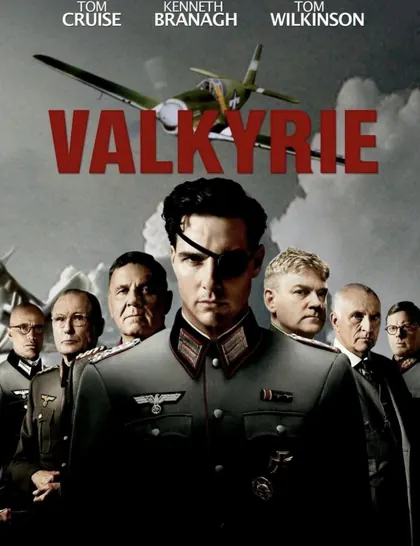
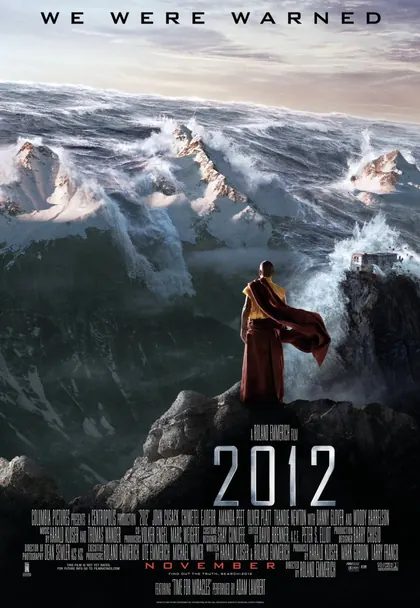
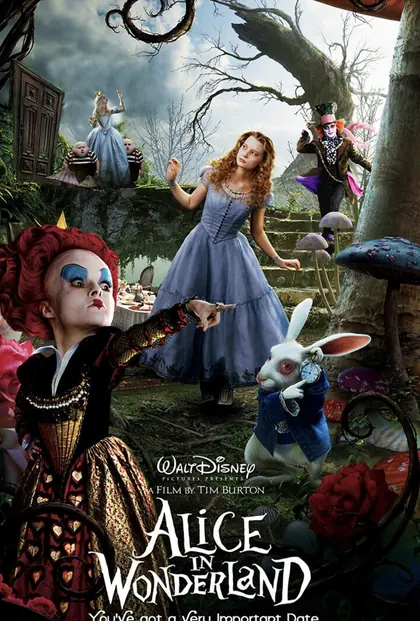
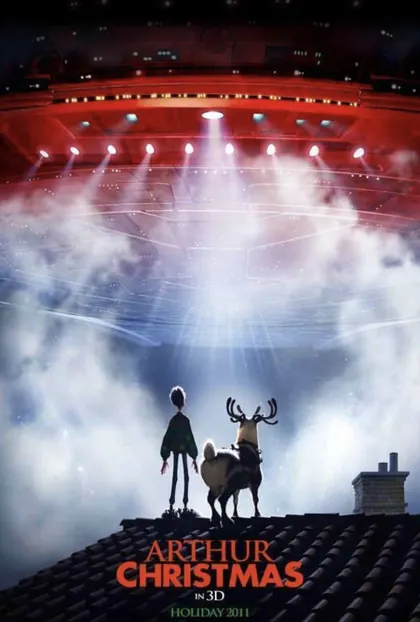
Members of FICTOR's leadership team worked on these productions.
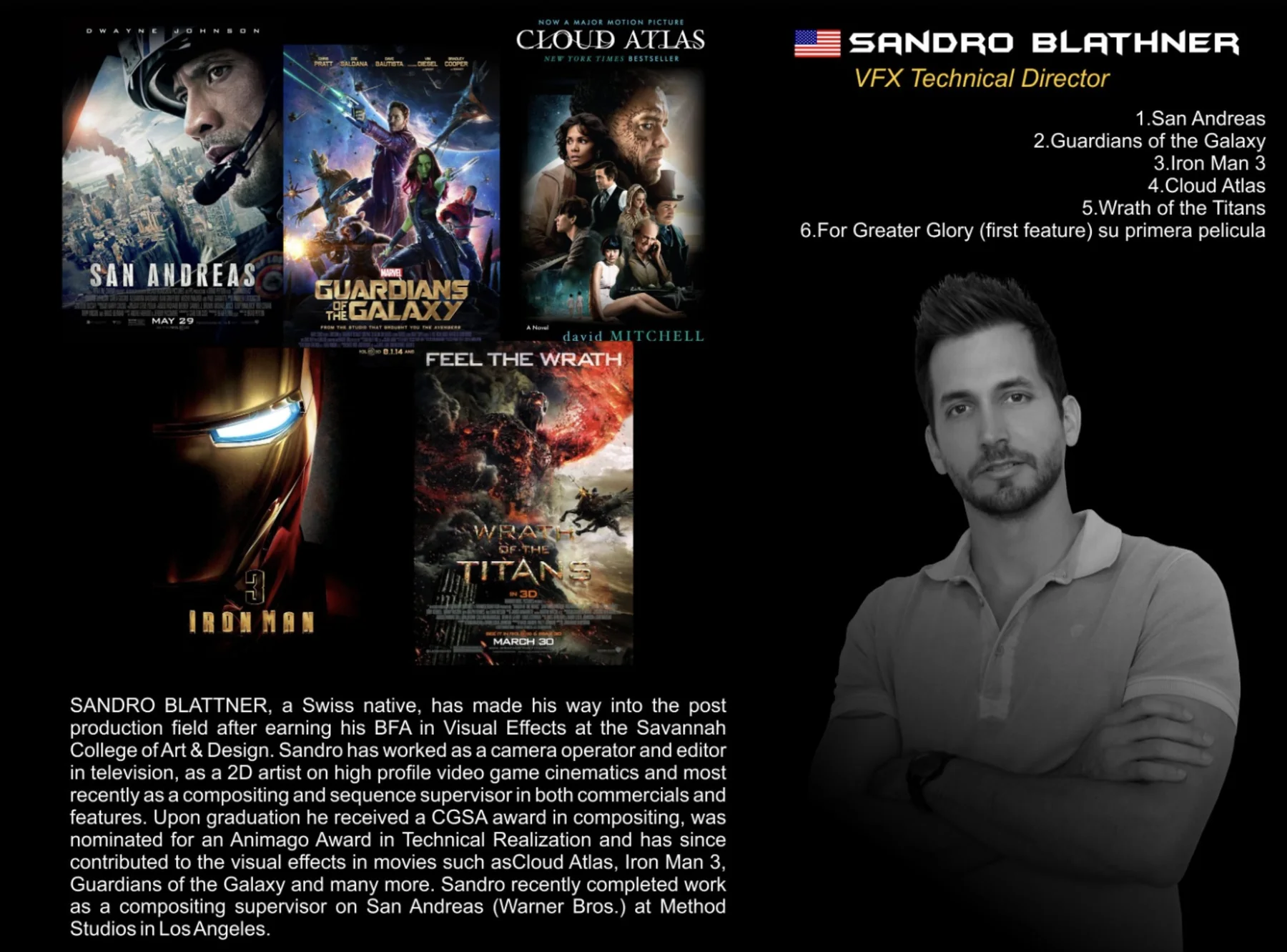
See all the posters on one page →These are features the people who run FICTOR worked on, earned at the studios listed above. They are not FICTOR projects. Trademarks, film titles and imagery are the property of their respective owners and appear solely to illustrate the experience of FICTOR's team.
Where the team has captured
Places where our team captured data in the past
Sites and locations inside these cities. Not whole cities scanned.
Academy
Building the talent behind Colombia's digital twin industry.
FICTOR's work depends on artists who can take a real place from capture to a finished, real-time asset. Colombia has that talent, but very few schools teach the full pipeline our industry needs. The Academy is how we plan to close that gap.
It will bring together three parts: the VFX Tour, our nationwide talent event; educational partnerships with schools, universities and foundations; and the Academy of Digital Arts and Animation, where students will train on the same tools, hardware and pipeline our professional artists use every day.
Pereira
The future FICTOR studios in Pereira
We are designing FICTOR's own studio in Pereira, a home for production, capture and data processing next to the region's growing talent pool.
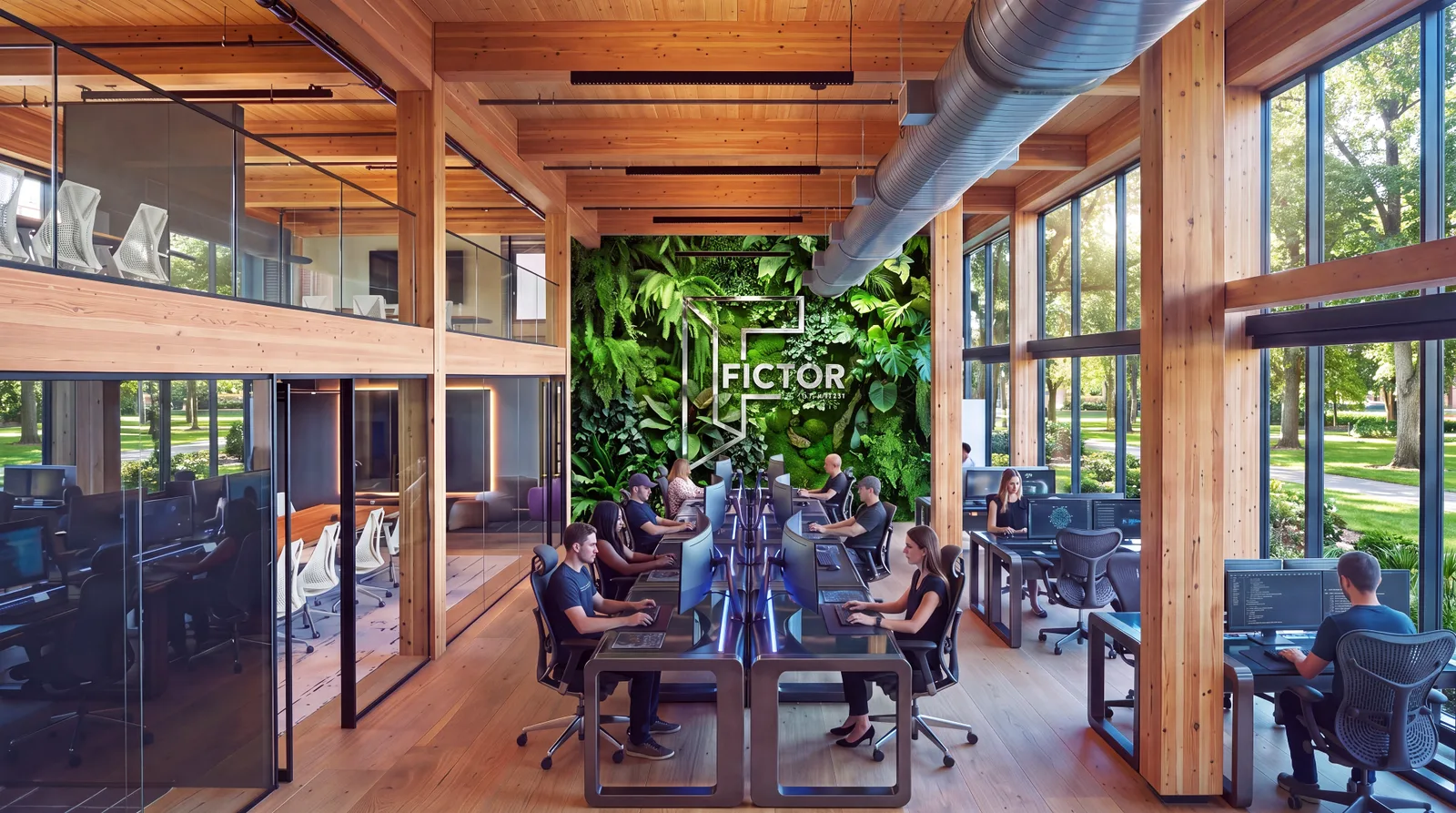
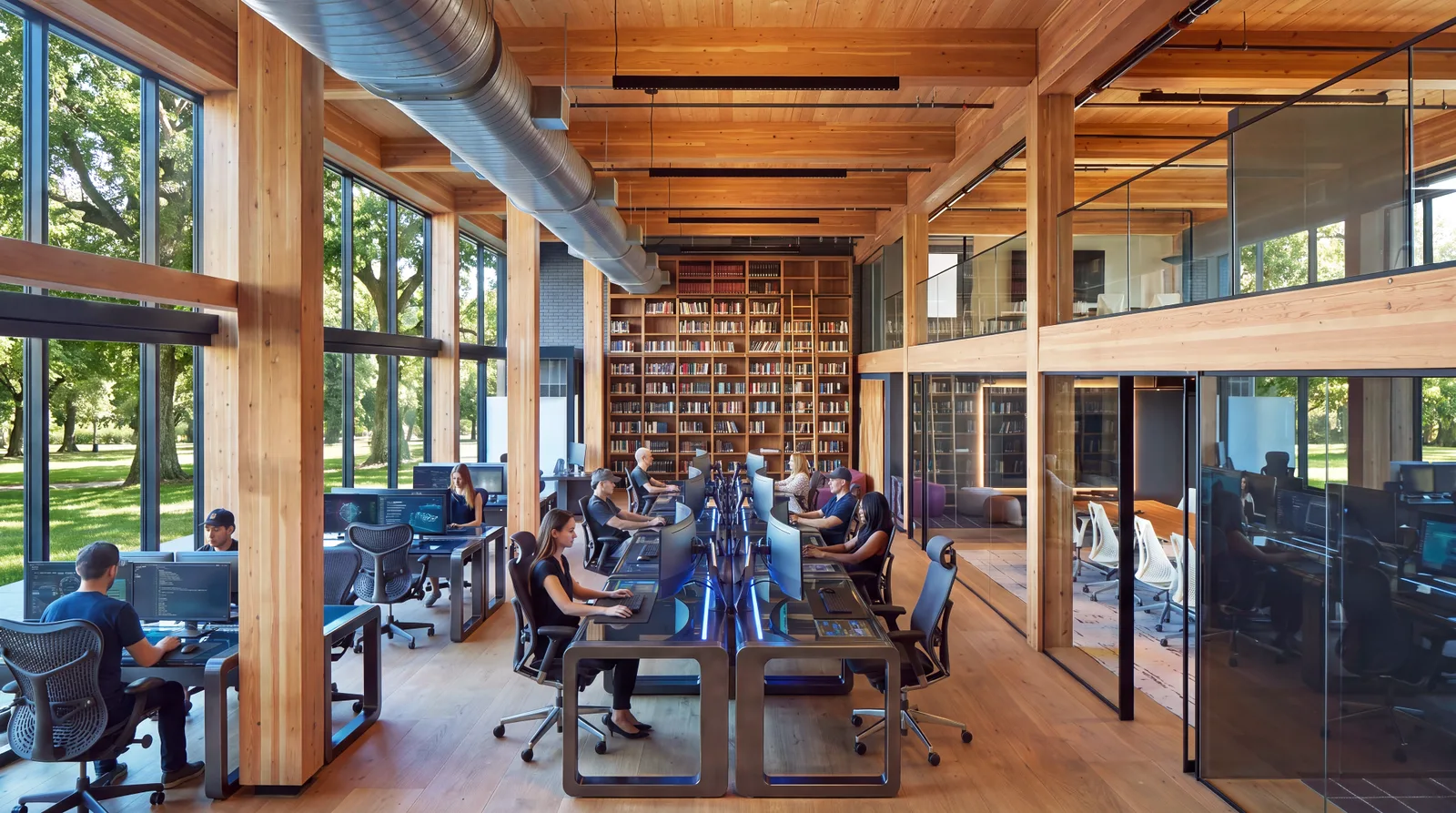
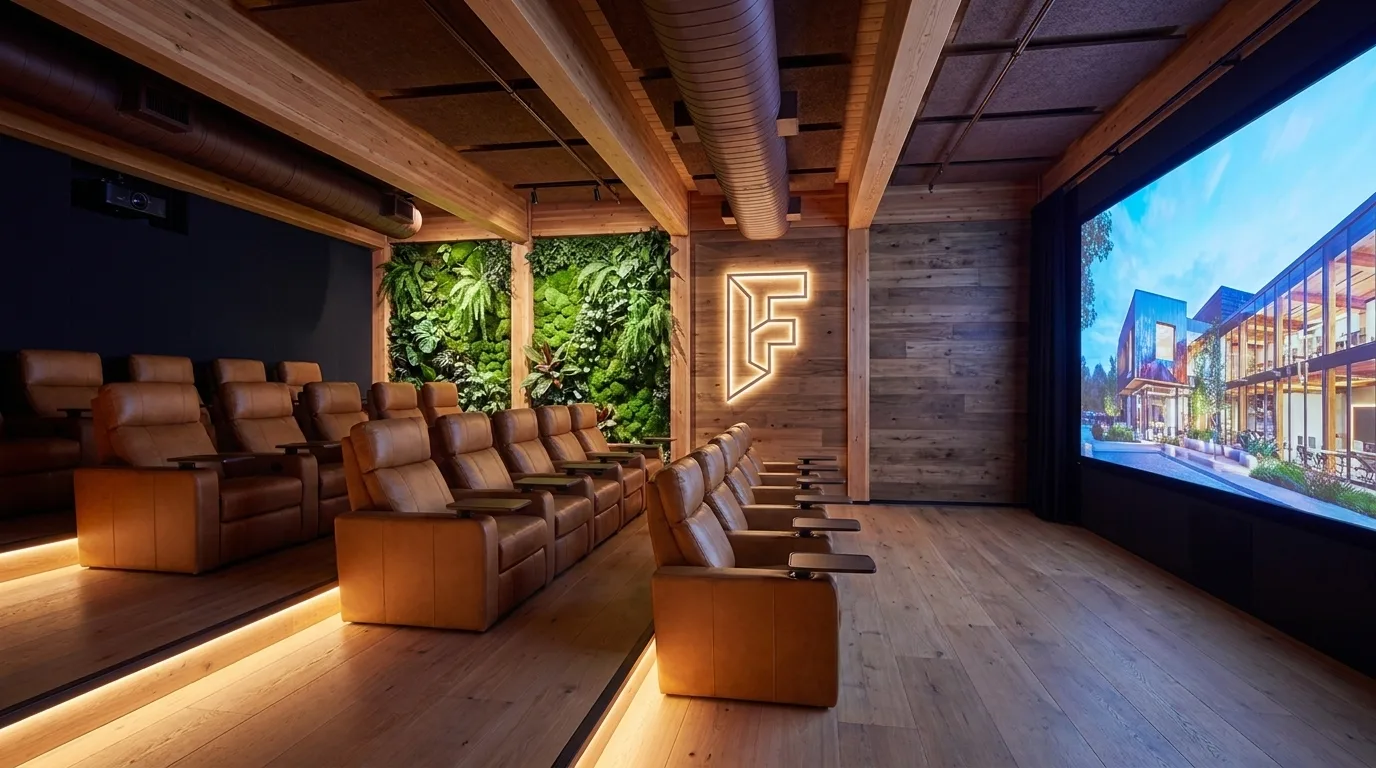
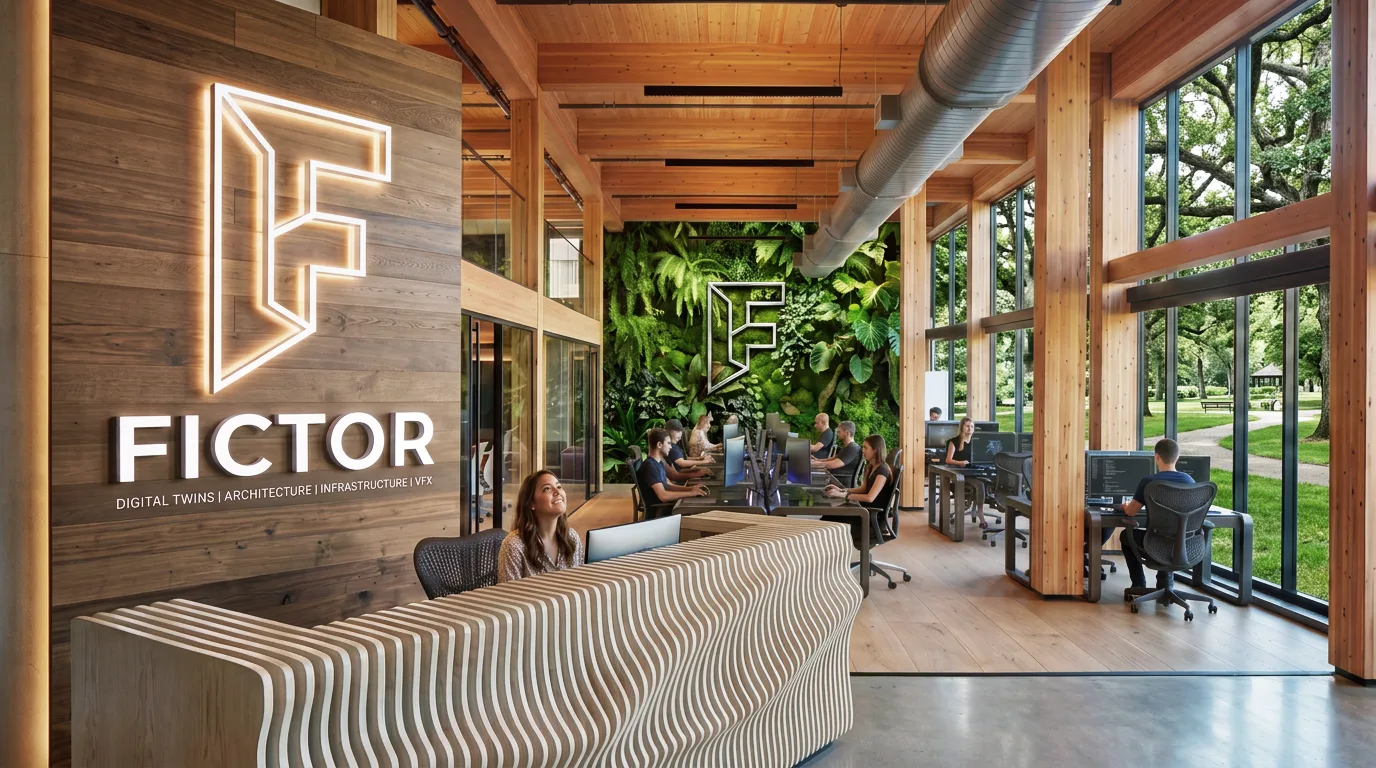
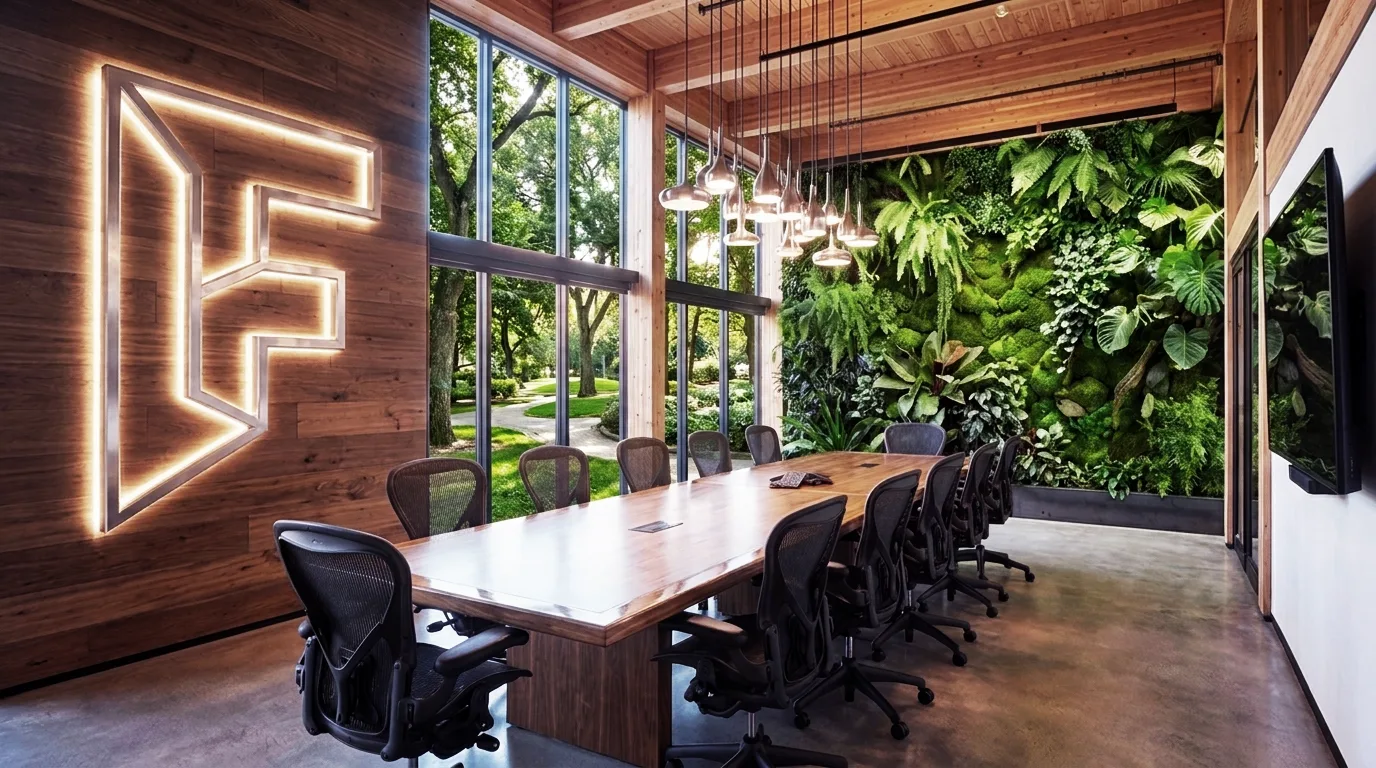
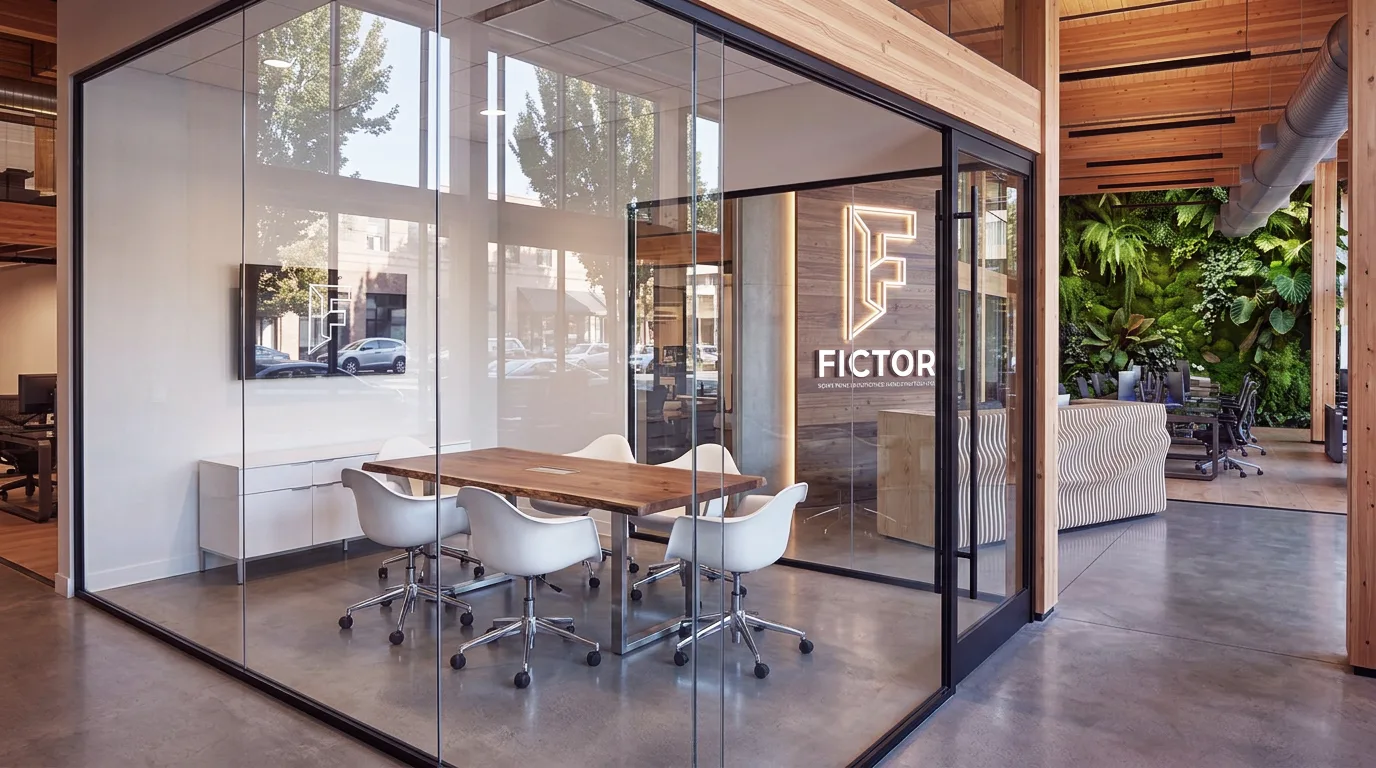
Concept renders. Design in development.
The VFX Tour
A commitment that began in 2011
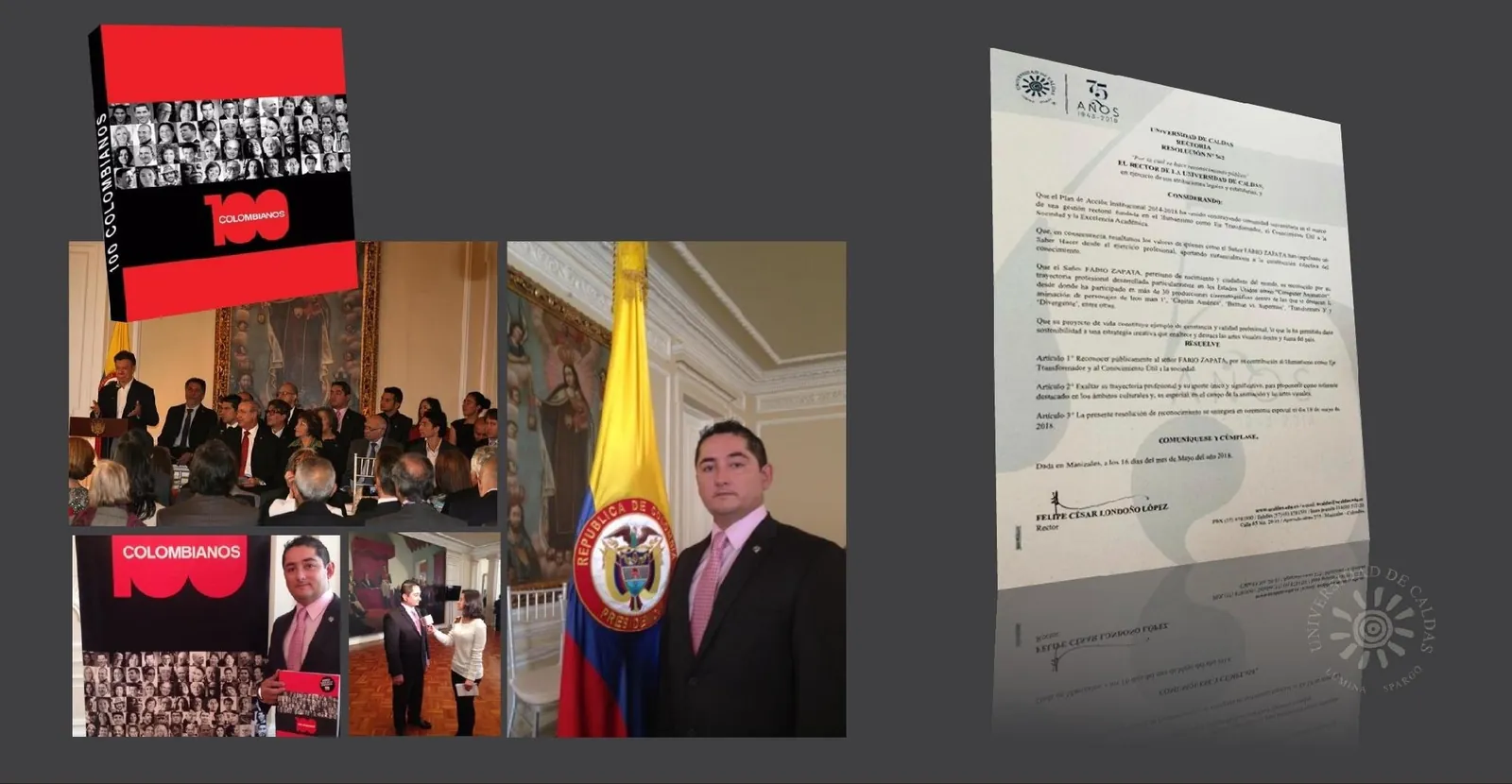
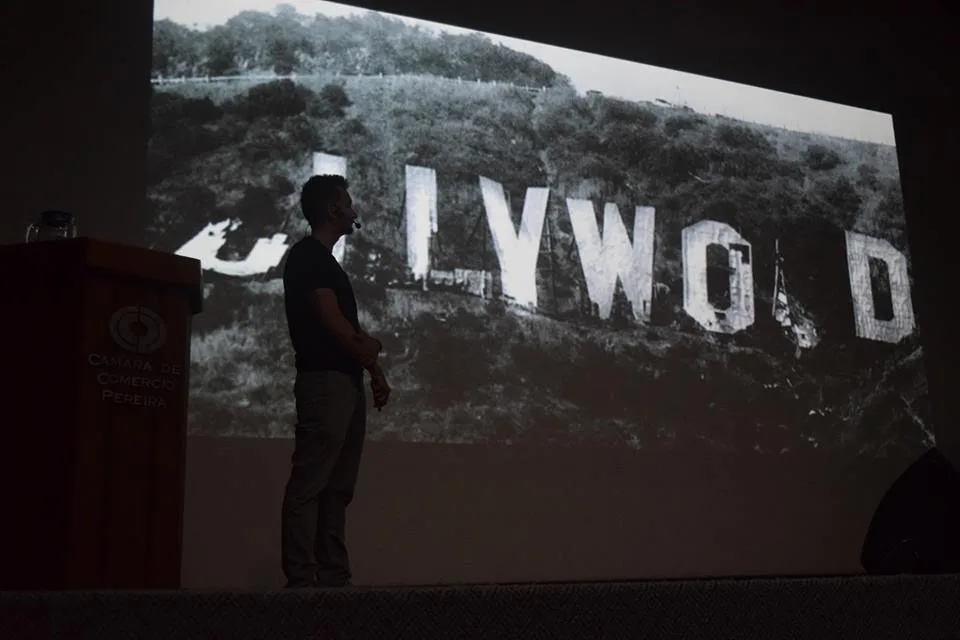
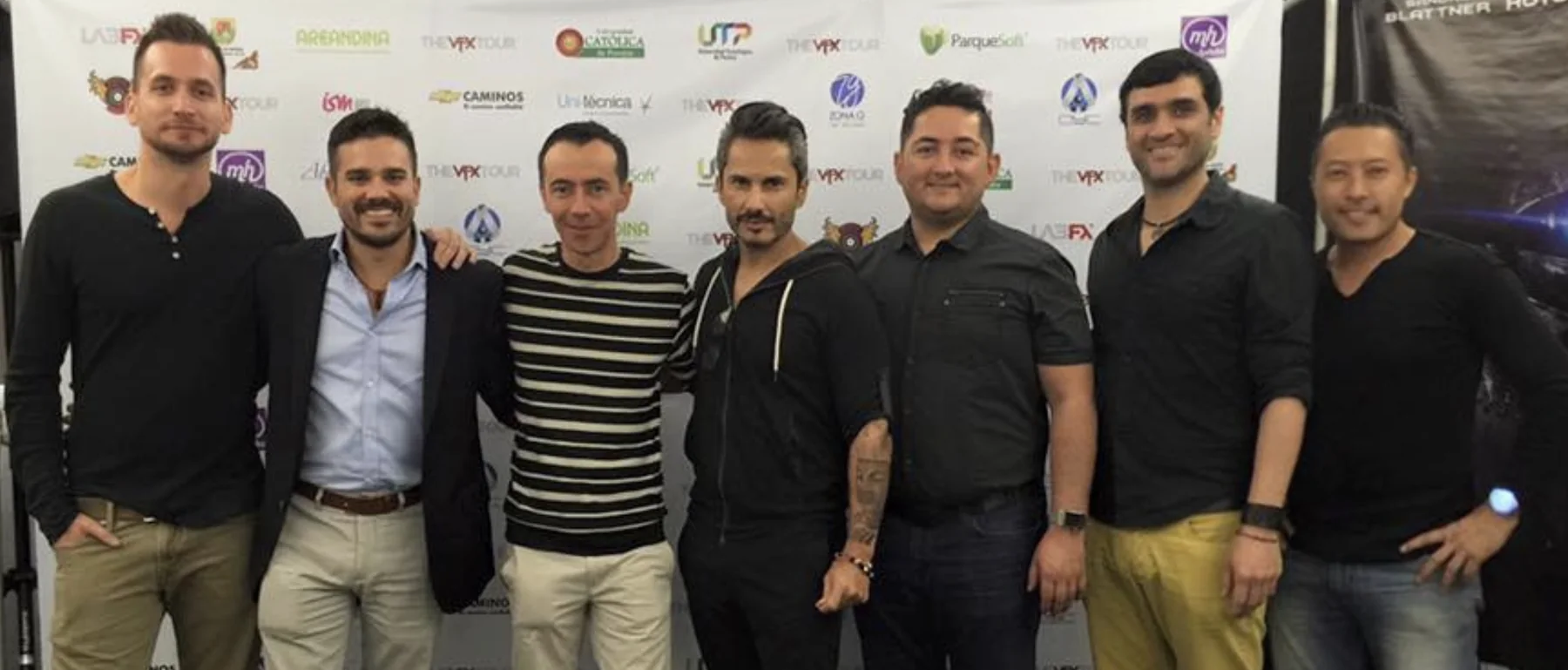
The VFX Tour started fifteen years ago, when Colombian VFX artist Fabio Zapata was named by then-President Juan Manuel Santos one of the 100 most successful Colombians abroad. Fabio chose to use that recognition to give back: he brought working supervisors from Hollywood home to teach master classes, review portfolios and show students what a career in visual effects really looks like.
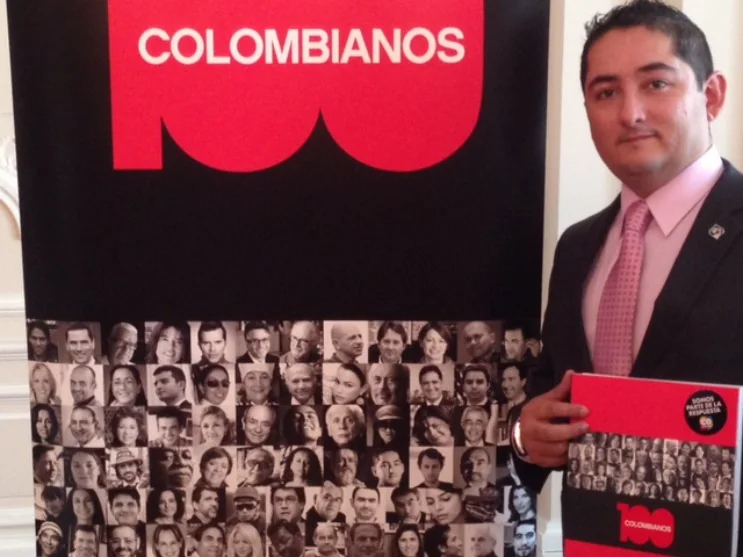
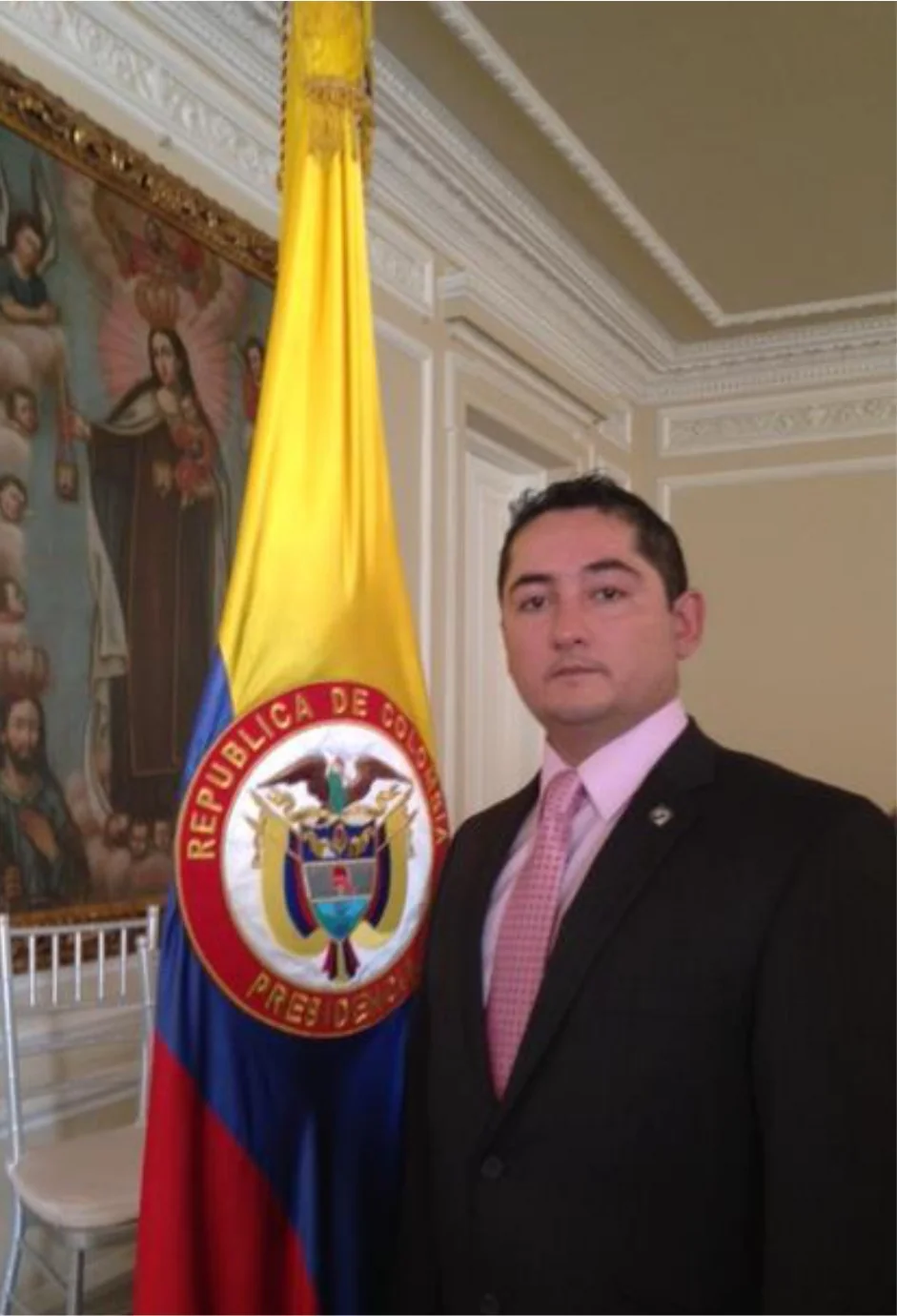
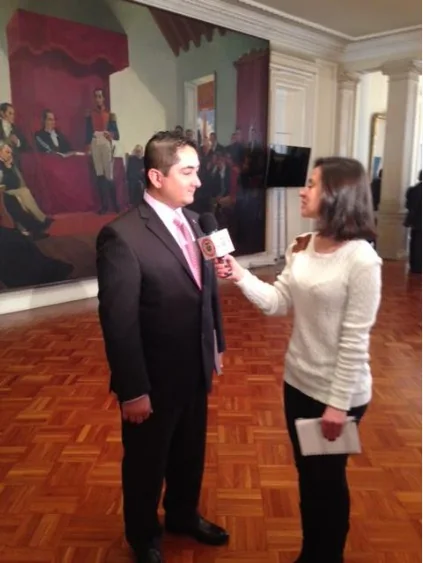
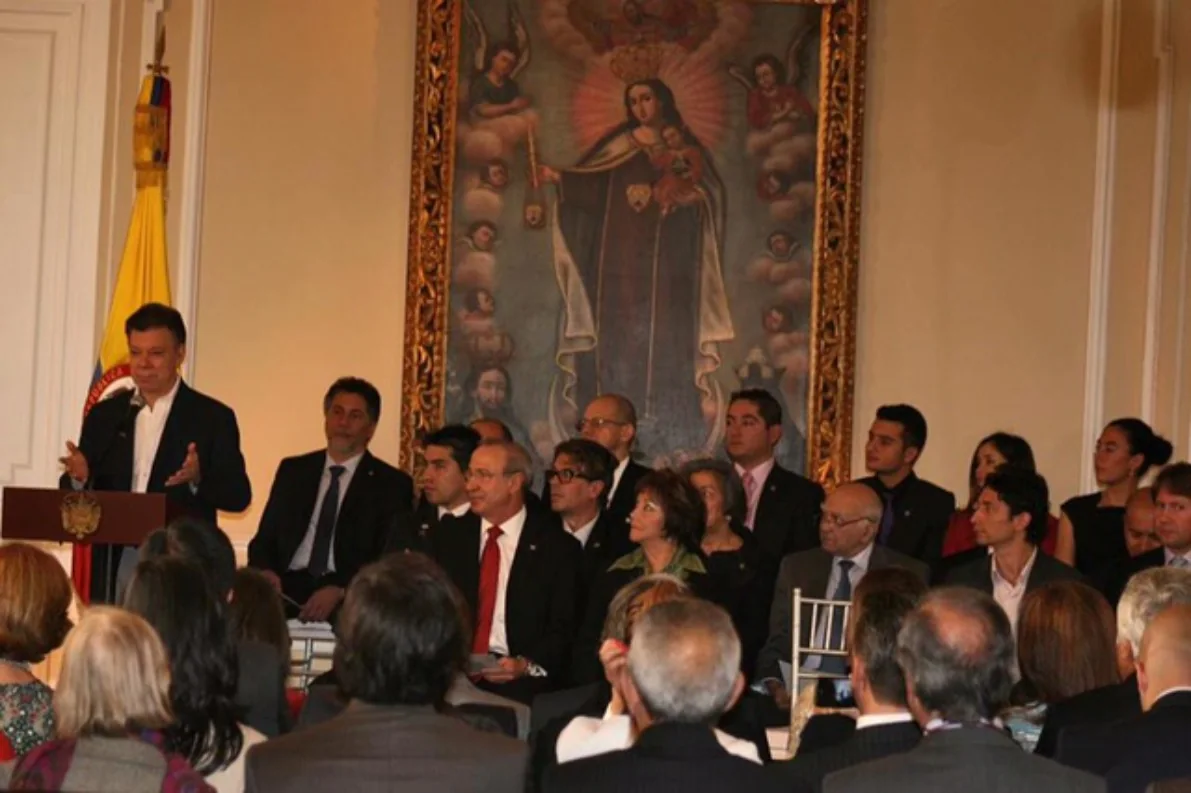
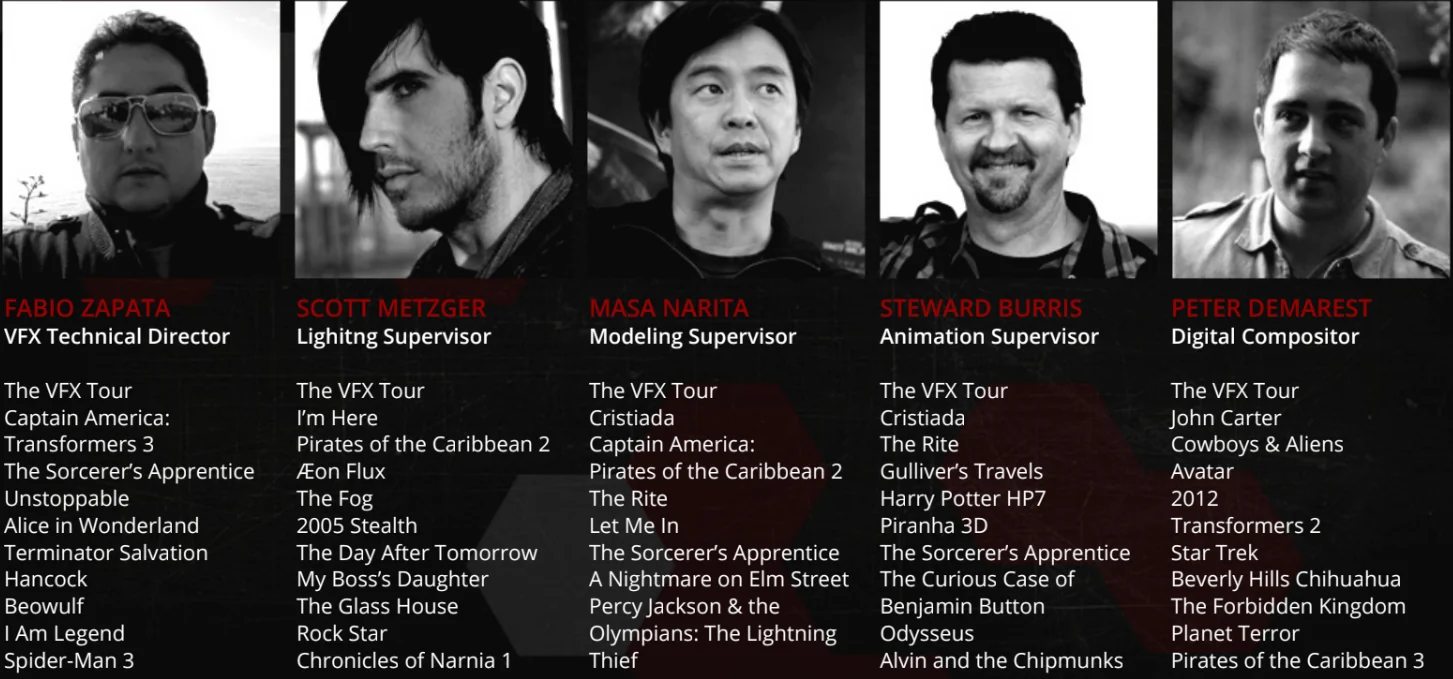
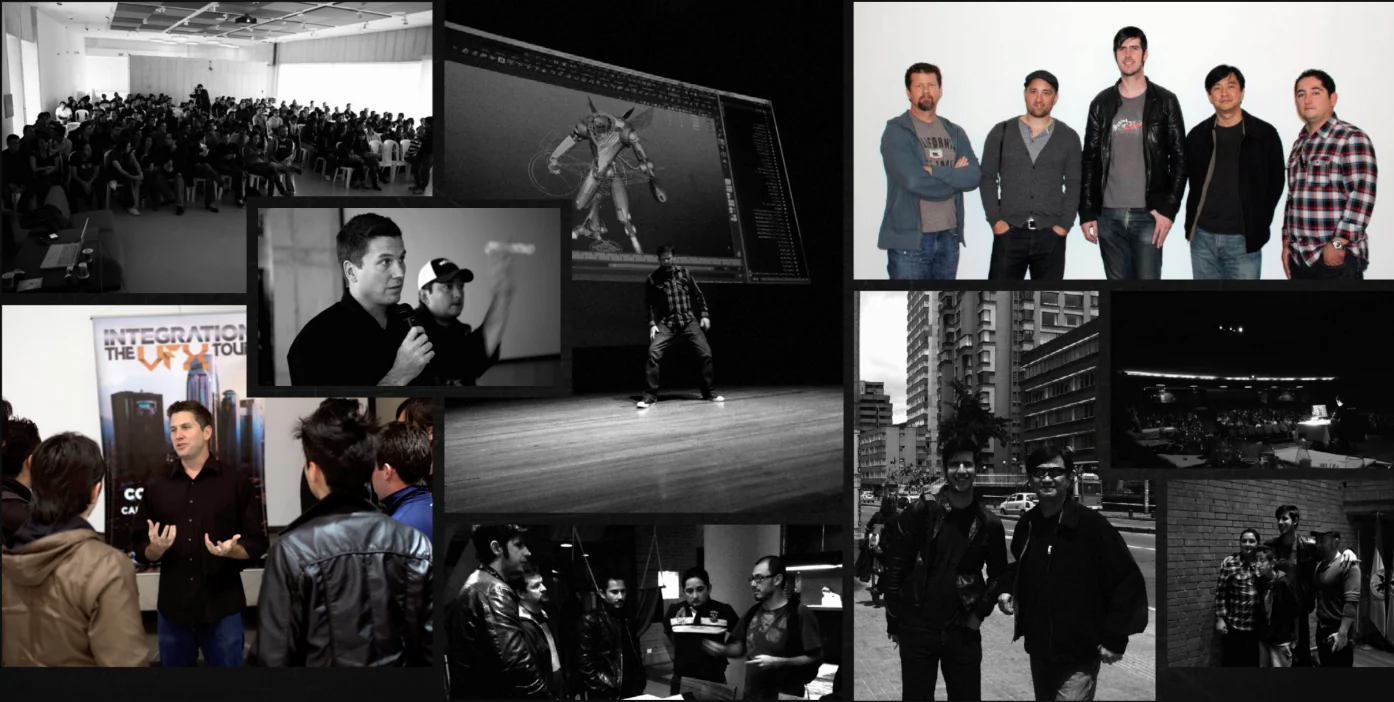
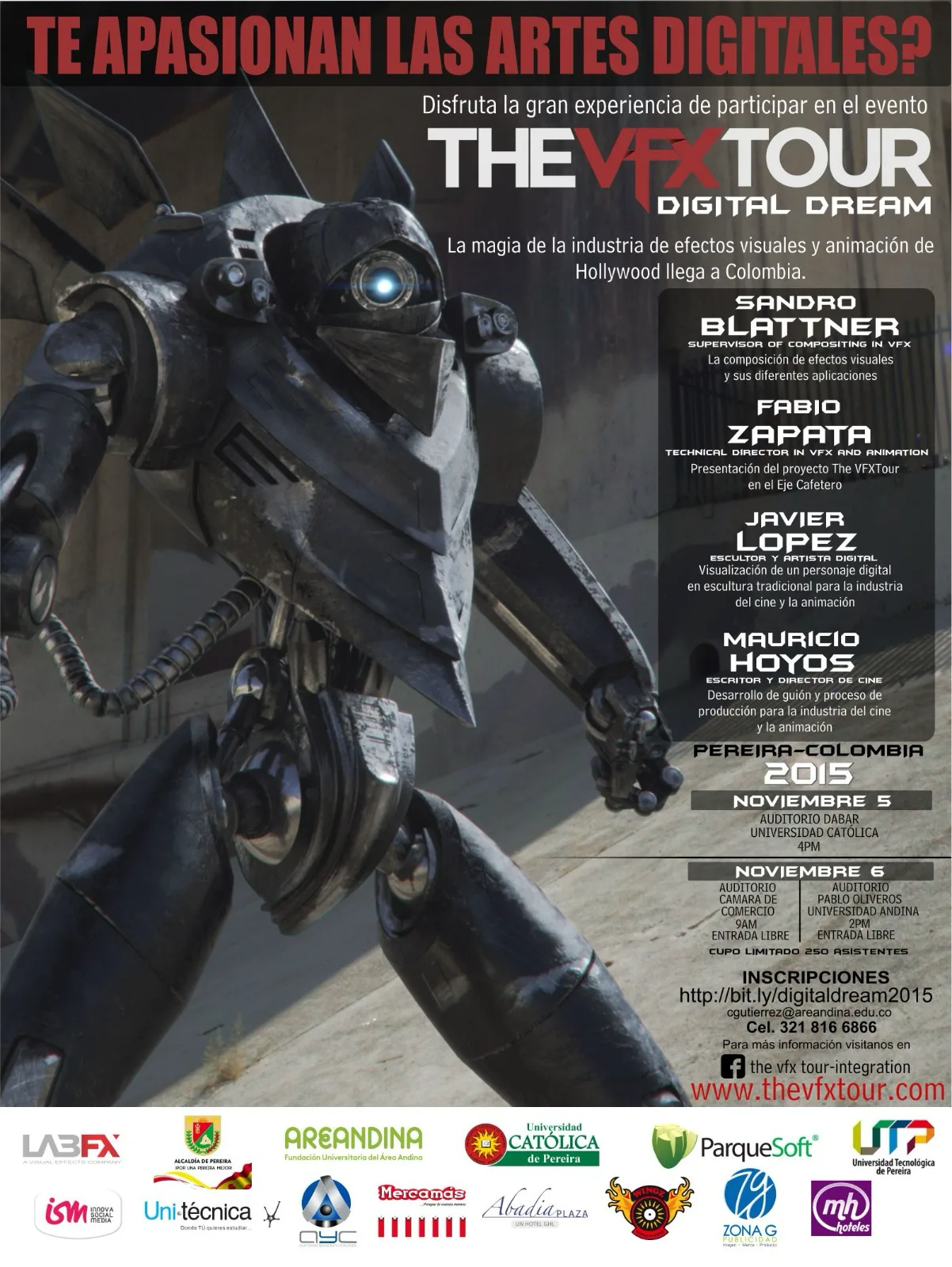
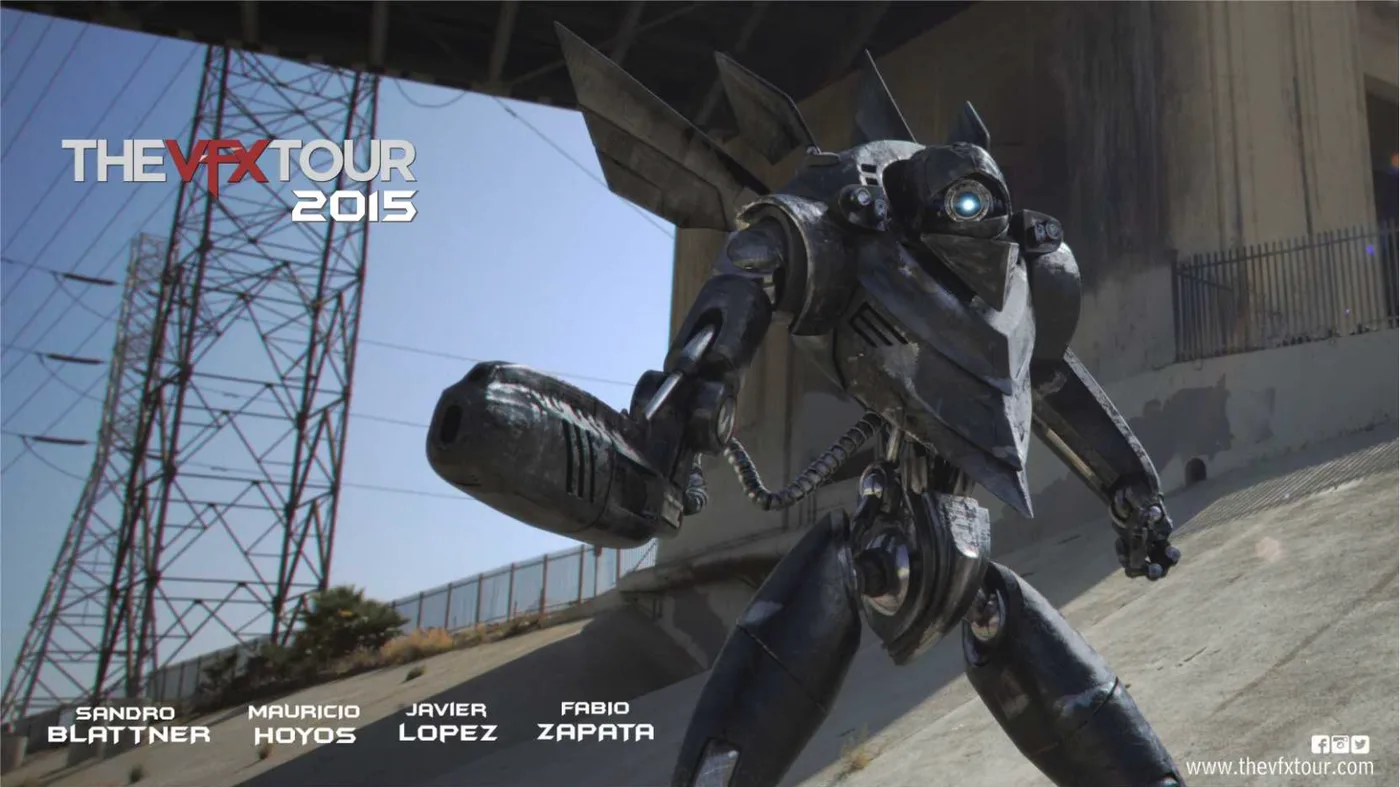
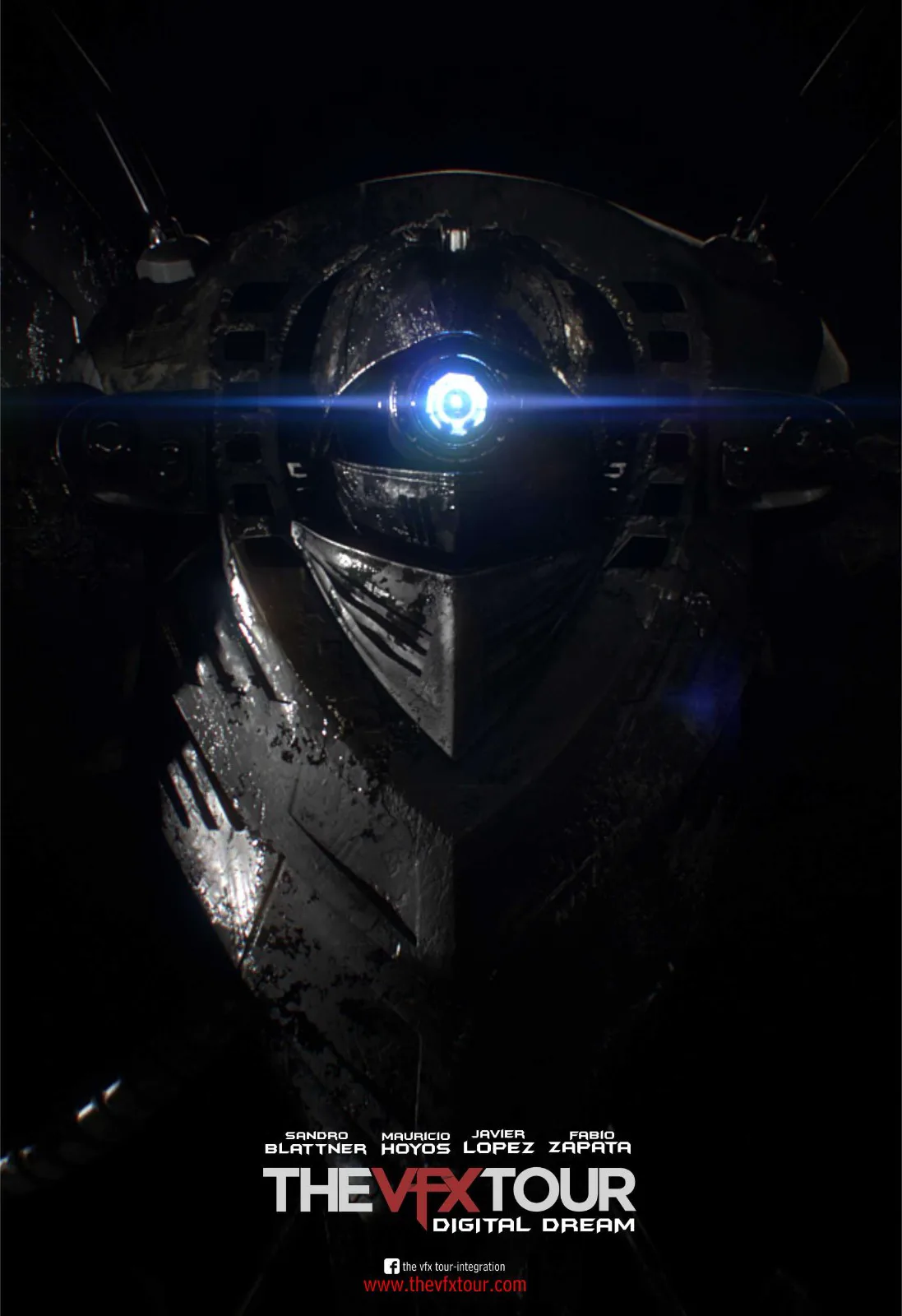
The Tour has run in two editions so far: 2011 in Bogotá, Cali and Pereira, with the Escuela Nacional de Cine, and 2015 in Pereira, with universities and the city's Cámara de Comercio. About 3,000 students have taken part. Fabio still leads it, and from 2027 it becomes a yearly program.
| Year | City | Edition |
|---|---|---|
| 2011 | Bogotá | First edition, with the Escuela Nacional de Cine |
| 2011 | Cali | Promotional tour |
| 2011 | Pereira | Promotional tour |
| 2015 | Pereira | Digital Dream: talks by Sandro Blattner, Fabio Zapata, Javier López and Mauricio Hoyos at the Universidad Católica de Pereira, the Cámara de Comercio de Pereira and the Universidad del Área Andina. Free entry. |
| 2027 | Four cities | Next edition, built on real-time tools |
The next edition
The 2027 Tour will be a two-week program built around real-time production with Epic Games' Unreal Engine and RealityScan. Students will follow one pipeline from start to finish: capturing a real place with photos, drone and LiDAR, reconstructing it in RealityScan, preparing it for real time, and building an interactive scene in Unreal Engine. Each stop will end with a showcase of demo reels judged by industry guests, a job fair, and talks from studios in Colombia and abroad.
The best artists from each city will join FICTOR's artist network, and can go on to teach and mentor students at our education partner schools.
Education partners
A clear path from the classroom to a career
We are building a network of schools, universities and foundations that share one goal: a clear path from the classroom to a career in digital arts, without leaving Colombia.
The path will start in high school. With Fundación Frisby, we are preparing a digital arts and programming track at the Instituto Tecnológico de Dosquebradas (ITD), beginning with a 10-seat pilot in January 2027. Students will graduate with a portfolio and a working knowledge of Blender, Unreal Engine, RealityScan and DaVinci Resolve.
It will continue at university. We are working with the Universidad Cooperativa de Colombia (UCC), with 15 campuses, and the Universidad Libre, with 7, to develop two-year programs in capture, reconstruction and real-time production.
| Partner | Year | Role |
|---|---|---|
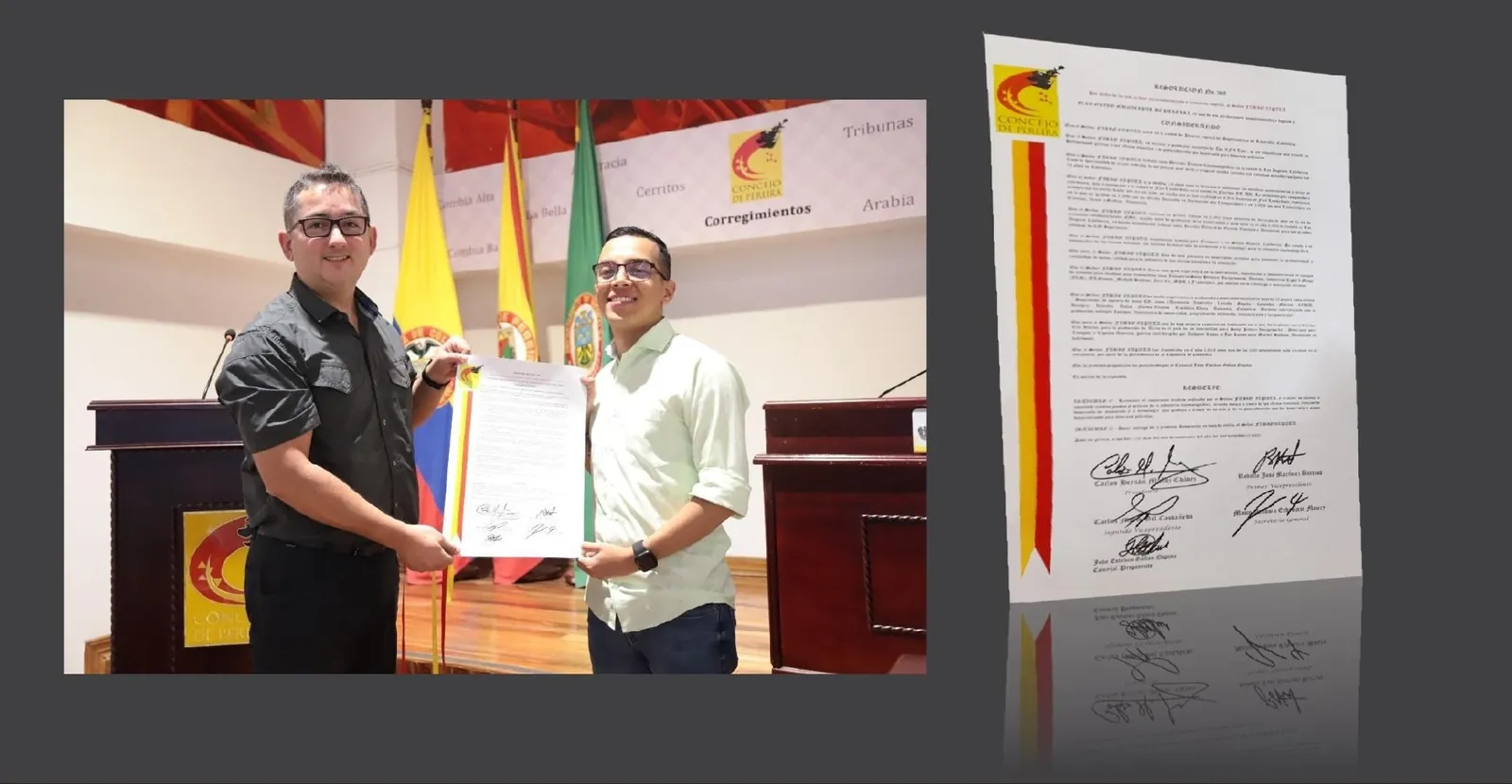
| Alcaldía de Pereira | 2027 | Official letter of collaboration supporting the digital twin of Pereira |
| Fundación Frisby | 2027 | Will fund the ITD lab, student seats and capture equipment |
| Instituto Tecnológico de Dosquebradas (ITD) | 2027 | High-school track in digital arts and programming, from January 2027 |
| Universidad Cooperativa de Colombia (UCC) | 2027 | Two-year capture and real-time program, starting at the Pereira campus |
| Universidad Libre | 2027 | Pilot programs in digital arts and animation |
Every partnership will work the same way
Academy of Digital Arts and Animation
One pipeline, from high school to industry
The Academy of Digital Arts and Animation is FICTOR's sister company in Colombia. It will run the training, manage every relationship with schools and universities, and operate the data center they all share.
The talent pipeline
A student will be able to follow one continuous path, from a first scan in high school to a professional career, using the same tools at every step.
- High school. The ITD track will introduce capture, 3D and programming, ending with a portfolio.
- University. Two-year programs at our partner universities will teach capture, reconstruction and real-time production in depth.
- The VFX Tour. The national showcase, where students will present demo reels to industry guests and the best will join FICTOR's artist network.
- Industry. Graduates will be introduced to FICTOR and to studios in Colombia and abroad.
One ecosystem for production and education
Digital twins are changing fast, and FICTOR's pipeline will change with them. Every new tool, technique and standard we adopt in production will reach our partner classrooms too, so students never learn on yesterday's workflow.
Instead of each school buying its own expensive hardware, our partners will share one centralized production system that is upgraded continuously. A student in Dosquebradas or Pereira will work on the same hardware, software and pipeline as a professional digital artist.
This is not a classroom add-on. The same infrastructure that powers FICTOR's production will train the artists the industry needs, making education part of how FICTOR works, not a side project.
Web and mobile
App Development
Copy to come.
Copy to come.
Copy to come.
Copy to come.
The 30-second definition
Digital twins
A digital twin is a precise virtual replica of a real object, place, or system, built from real-world data and updatable as that object changes.
It looks photoreal: a pixel-for-pixel match to the real thing, not an impression of it.
Measurements, dimensions and structure are exact, so the model can be measured as well as looked at.
It updates as the real object changes, from sensor data or from capturing the site again.
Seeing one
Planning a container terminal
A schematic plan of the Port of Long Beach, the first stage of its digital twin: terminals, cranes, piers and bridges, mapped before capture begins.
What it is not
Not a photo, not a 3D model
The term gets used loosely. These are the two things it is most often confused with, and what separates them.
Captures one moment, flat and in two dimensions. It cannot be measured, cannot be updated, and cannot be walked through.
A designer's interpretation. Approximate rather than measured, static from the moment it is finished, and under no obligation to match the real world.
Captured from reality. Photoreal and measured, verifiable back to its source, navigable, and able to change as the subject does.
Anatomy
Five stages, every time
Every twin is built through the same pipeline. Cost and quality are both decided in the first two stages.
Map it before flying it. Official and open data become an interactive 2D and 3D schematic of the site. It scopes the job, sets the flight plan, and is replaced section by section with measured data as capture proceeds.
Acquire reality. LiDAR, drone and ground photogrammetry, camera arrays. The output is a point cloud and a photographic record of the real subject.
Build the geometry. Capture data becomes clean meshes, physically based rendering (PBR) materials are authored, topology is optimized for real time.
Make it interactive. Loaded into a real-time engine, lit and shaded, so it can be walked through, flown around and measured.
Keep it live. Sensor feeds and a re-capture cadence track change, so the twin stops being a snapshot and becomes a mirror.
Three levels
A digital twin is a spectrum.
Projects buy different levels of fidelity and connection. Naming the level you need is most of scoping the job.
A frozen-in-time photoreal model. Captured once, viewed indefinitely. Marketing visualization, museum and archival records, a walk-through of a state at one moment.
Reflects the current state. Connected to live data from the real subject (temperature, occupancy, status, motion) and updated continuously to show the now.
Forecasts the future state. A model trained on twin data simulates what has not happened yet: failure modes, capacity ceilings, energy use, stress under load.
Where they are used
Ten markets already buying them
Off-plan sales, design review and permit submissions, with every asset drawn from one master model.
Progress captured against design during construction, then an as-built twin that answers what is where.
Preservation at a precision physical conservation cannot reach, and access for people who cannot travel.
Keynote reveal films, digital sets and campaigns shot from one master twin at every angle and season.
Layout optimization, bottleneck simulation and operator training against the plant rather than a plan.
Predictive maintenance, outage modeling and public-works planning stakeholders can walk through.
Vehicle and environment twins for configurators, launch campaigns and scenario testing.
Anatomy rebuilt for surgical rehearsal, devices tested against physics-accurate organ models, hospital operations simulated.
Terrain and asset twins used to model storm surge, flood and fire against real elevation data.
One measured product twin feeding every render, animation and interactive configurator a campaign needs.
Platform
Every project for sale, inside the real city.
FICTOR captures whole cities or sections of them as digital twins. On top of them we are building a platform for real estate: our artists create the digital twin of your land, house or building for sale and place it exactly where it will stand, so buyers can explore it on the web or in an immersive room in a photorealistic real-time simulation, with every piece of sales information in one place.
Same lot, two buying experiences
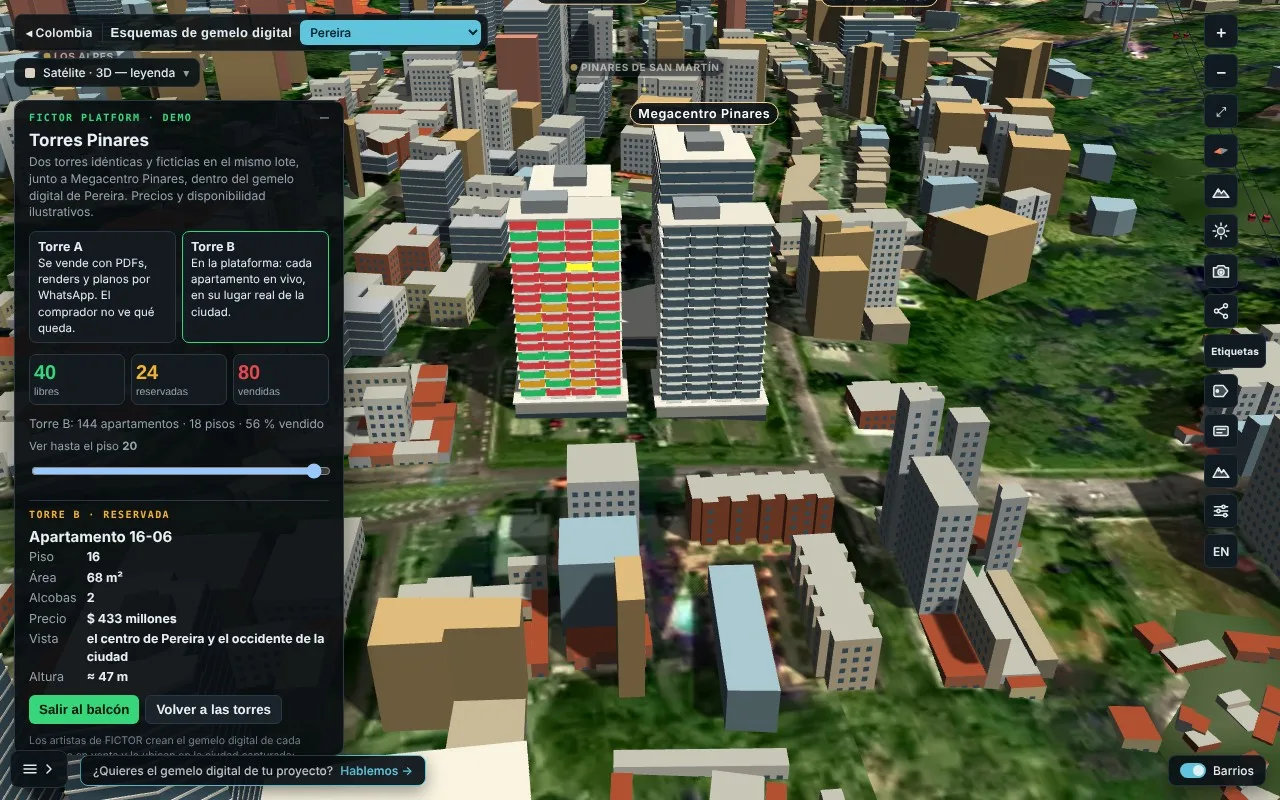
In Colombia, in the city of Pereira, in the Pinares neighborhood: two identical towers. Same lot, same apartments, same prices, same launch, but two very different buying experiences. Tower A sells the traditional way: floor plans, static renders and WhatsApp. The buyer has to imagine what they're purchasing.
Tower B uses FICTOR's digital twin platform. One link opens an interactive experience accessible from anywhere in the world. Buyers can walk through their future apartment, step onto the balcony and experience the actual view before construction begins. They can explore natural light throughout the day, compare apartments, customize finishes and check availability in real time. Sales teams can present the project with greater clarity, answer questions visually and give buyers the information they need to make informed decisions.
FICTOR artists create a photorealistic digital replica of the building, positioned at its exact location within the digital twin of Pereira. The result: a property buyers can explore, understand and experience before it physically exists.
Don't just show them what you're building. Let them experience it before you build it.
How it works
What a buyer can see
Try the demo
Two identical, fictional towers next to Megacentro Pinares, inside our digital twin of Pereira. Tap an available apartment in Tower B to fly to it and open its floor plan, then walk through it, step onto its balcony or compare it with another unit. The demo switches between English and Spanish.
Built once per city, reused for every project
Each city twin is captured once and serves every project placed in it, so every new development adds to the same base instead of starting over. The project twins are produced by FICTOR artists in Colombia, in the same pipeline we use for our capture and visual effects work.
Pereira is the first city. The same model extends to every city we capture.
Start a scope
Select what your project needs
FICTOR can deliver the complete pipeline as one accountable partner, or plug in at a single point. The craft is the same at any size.